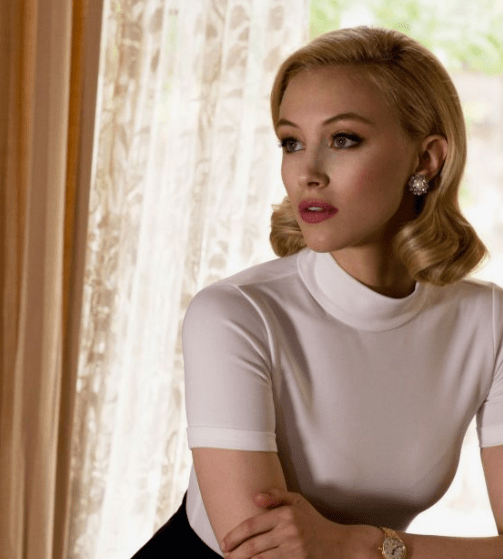
The origin of fashion designing dates as far back as 1826.
1920s
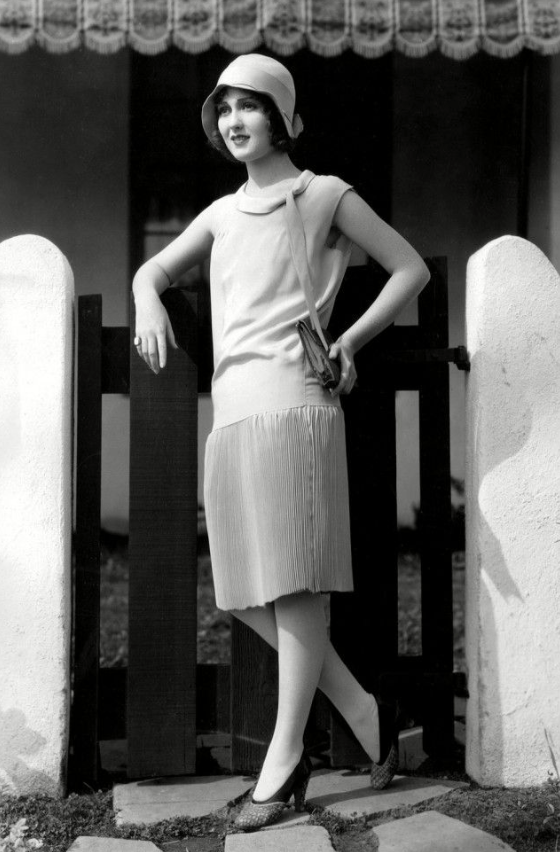
- The roaring twenties was a golden era of fashion. WW1 left women wanting a simple, comfortable lifestyle and a fashion style that reflected the new modern age. 1920s fashion was made by the young and free spirited youth who discarded their corsets to show off their jazz dancing legs. Many historians say that the ’20s flat chested look was inspired by young boys, 1920s women of all ages embraced these youthful looks and genderless identities. This enabled them to live in a care-free manner, and to open new doors for women’s rights.
- Below knee length drop waist dresses with a loose, straight fit.
- Long pearl necklaces.
- Bold Art Deco colours.
- Cocoon fur coats.
- Small beaded purses held pretty makeup compacts and cigarette cases.
- Cloche hats and short bobbed hairstyles.
1930s
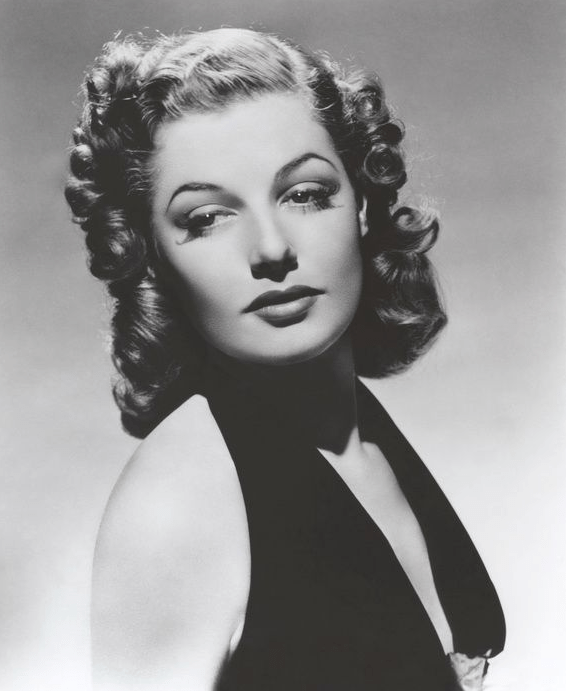
- The ideal 30s woman was tall and slender with a very small waist and narrow hips, shoulders were exaggerated with puff sleeves to make waists and hips appear smaller. The ideal silhouette was anything but realistic. The “boyish” look of 1920s fashion for women was completely gone by 1933 and was replaced with a much more modest and form fitted style.
- Puff sleeves.
- Belted waists.
- Large collars.
- Old Hollywood evening gowns- backless, sleeveless.
- Fur collar winter coats.
1940s
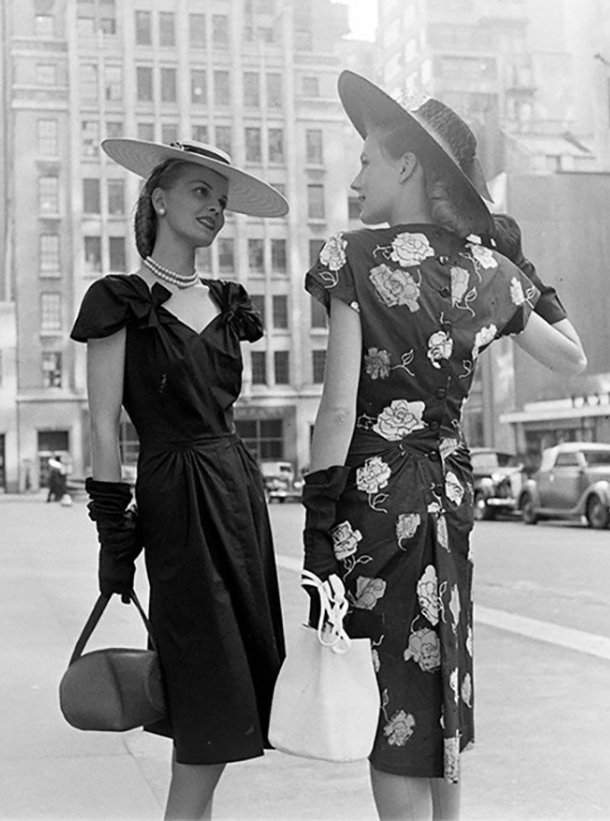
- 1940s women’s fashion was about creating an hourglass silhouette with masculine details. With the start of the war and a strict rationing on fabric, dresses in the 1940s became shorter. Whereas the 1930s featured dresses down to mid-calf, the 1940s brought them up to knee length.
- Knee length A-line dresses.
- Plaid A-line skirts with white button down blouses.
- Workwear overalls and jeans.
- Hats, turbans, head scarves.
1950s
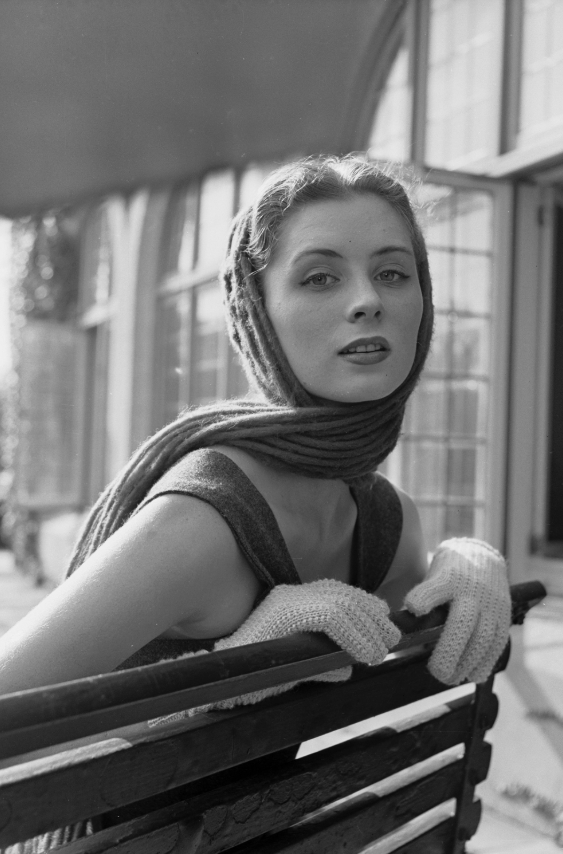
- The 1950s was a time when fashion exploded into new directions, new colours, and new silhouettes. The New Look was big and bold and completely feminine. Dress skirts were full and busts were padded to create the look of a small waist.
- Tea length swing dresses with petticoats for fullness.
- Peter pan collar blouses.
- Twin set cardigan sweaters.
- Small hats, headscarves, hair flowers.
- Pencil skirts.
1960s
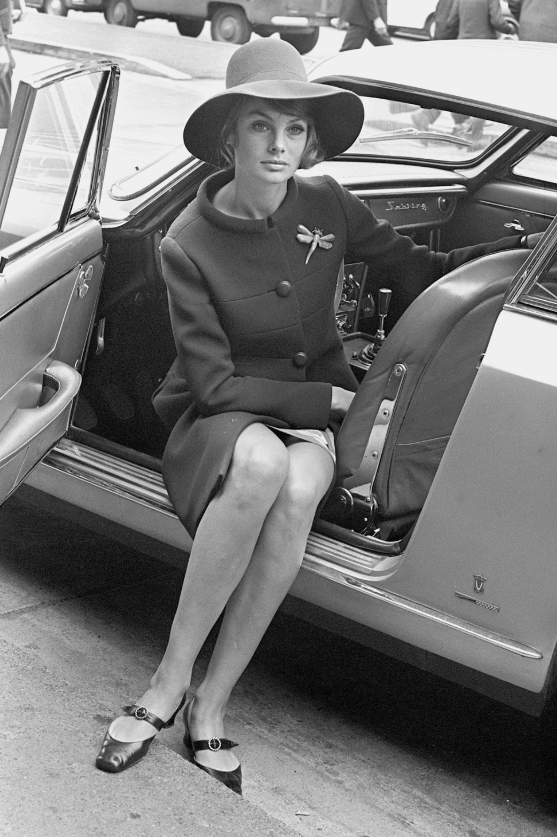
- Women’s 1960s fashion was extreme style and attitude from the start of the decade to the end. 1960s fashion was in many ways like the 1920s flapper revolution. It was the whole idea of a return to youth that drove most of the fashion in the 1960s. Oversize collars, bows, and delicate trim miniaturised women and made them appear smaller. Shapeless mini dresses emphasised a woman’s natural form.
- Short, shapeless shift dresses in bright colours.
- Button-down shirts.
- Turtlenecks, and chunky knit sweaters.
- Mini skirts or pencil skirts in plaid.
- Stockings or long socks.
1970s
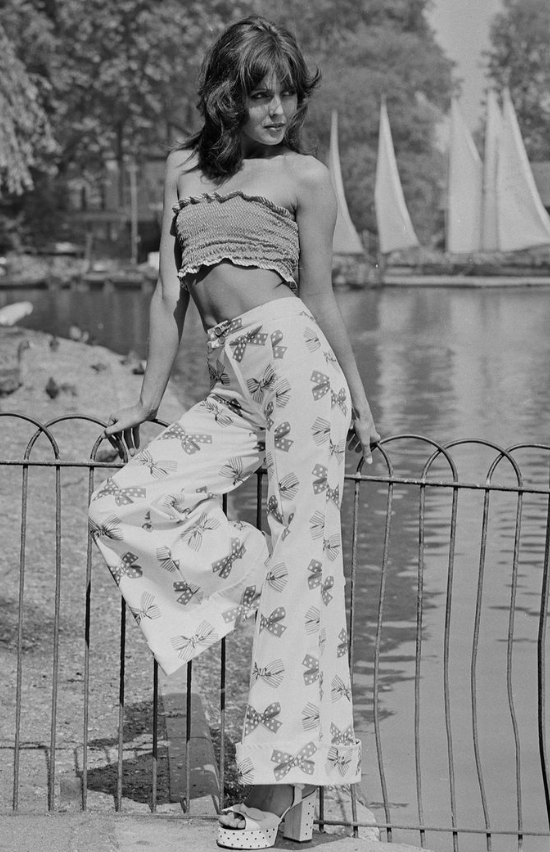
- Seventies fashion was a combination, it featured a bit of everything for anyone who had an opinion about fashion. In the end, comfort and casualness won the 70s fashion battle. Clothes were now made to mix and match with each other as well as across gender guidelines. Vogue declared “There are no rules of the fashion game now. You’re playing it and you make up the game as you go.”
- Midi and maxi length Edwardian inspired lace trim dresses.
- Bell bottom jeans, flares.
- Jumpsuits.
- Long knit vests layered over tops.
1980s
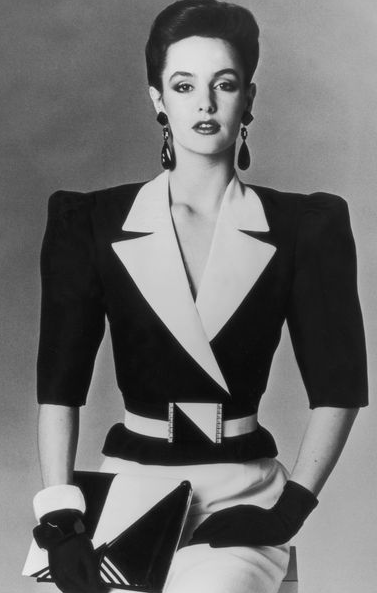
- The 80s are easily identifiable, it was a decade of bold style and colours. The 80’s female silhouette was slender with big shoulders and a pinched waist.
- Big hair.
- High waisted jeans.
- Leg warmers.
- Ripped knees.
- Neon colours.
- Cut-off sweatshirts.
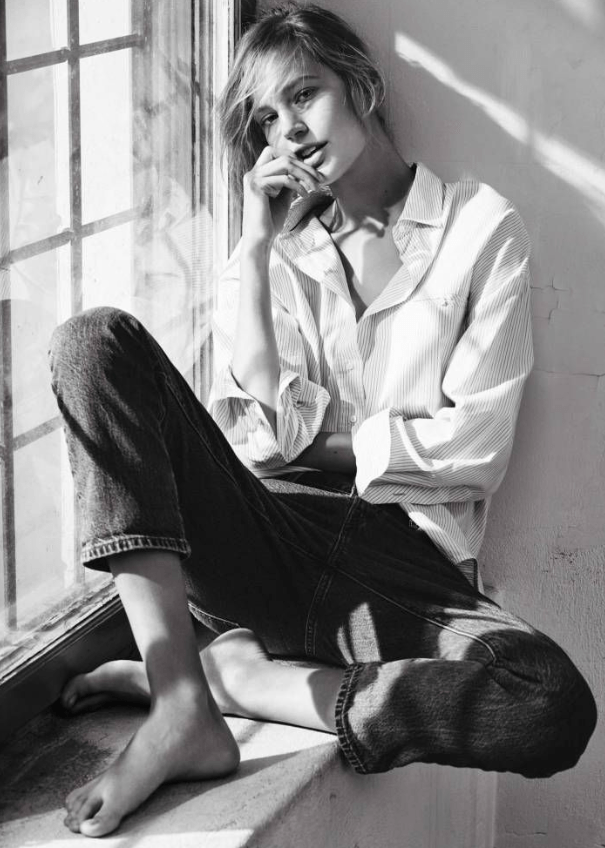
- Fashion in the 1990s brought forth a youth movement and offered carefree styles, grunge and minimalism were the main trends of the decade. Music and fashion also went together as fans copied the unique styles of their musical idols.
- Crop tops.
- Flared jeans.
- Chokers.
- Scrunchies.
- Overalls.
 Final Major Project