Platon is a British portrait and documentary photography born 20 April 1968. After leaving college in 1992, Platon began in fashion photography and portraiture. Platon worked for British Vogue for several years, he was then invited to NY to work for the late John Kennedy Jr. and his political magazine, ‘George’. Platon later shot portraits for a range of international publications including Rolling Stone, the New York Times Magazine, Vanity Fair, Esquire, GQ, and the Sunday Times Magazine, he developed a special relationship with Time magazine, producing over 20 covers.
Platon has photographed many well known leaders, Bill Clinton was the first president that Platon worked with and photographed. In 2007 Platon photographed Russian Premier Vladimir Putin for Time Magazine’s Person Of The Year Cover. This image was awarded 1st prize at the World Press Photo Contest. In 2008 he signed a multi-year contract with the New Yorker.
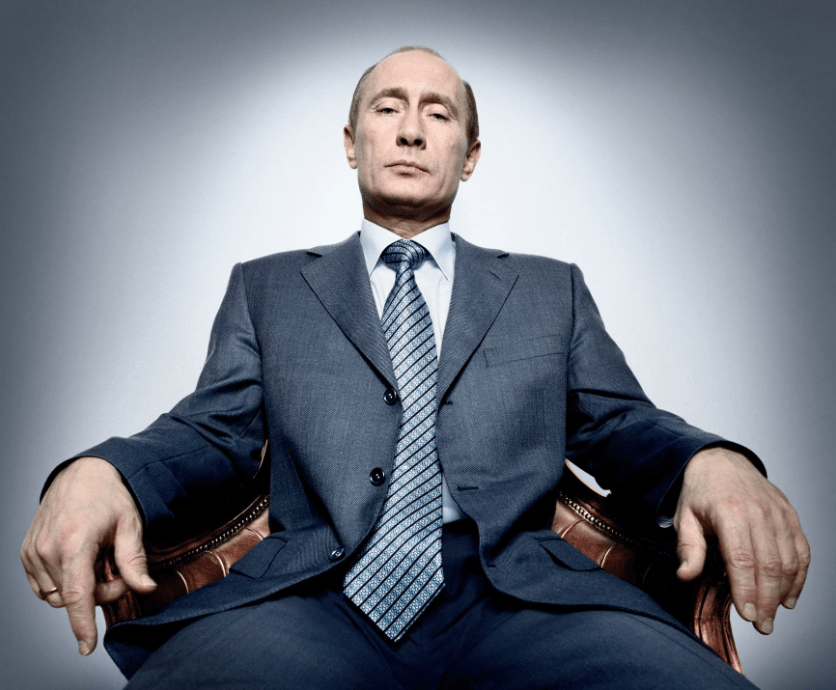
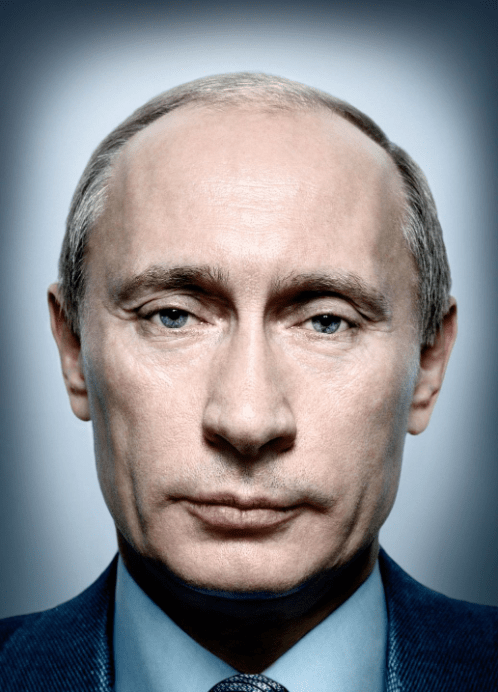
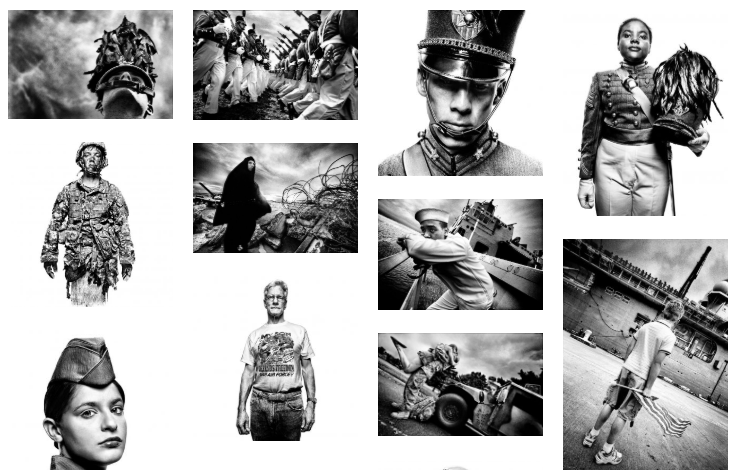
Platon’s New Yorker portfolios have focused on many themes including President Obama’s Inauguration, the U.S Military, portraits of world leaders and the Civil Rights Movement.
In 2009, Platon worked in collaboration with the Human Rights Watch to help them celebrate those who fight for equality in countries that contain political forces. These projects have highlighted human rights defenders.
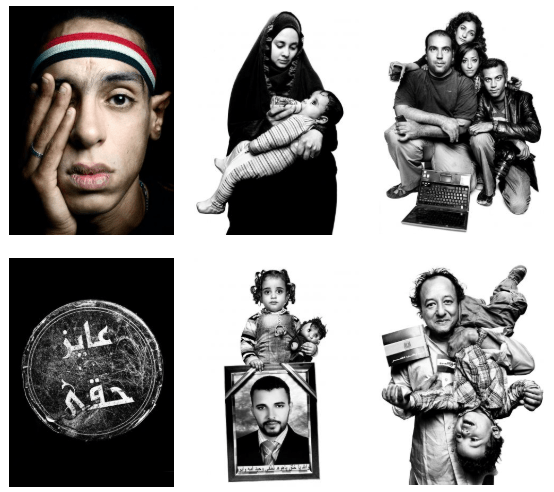
Platon’s work has been exhibited in galleries and museums across the world. He has exhibited in New York at the Matthew Marks Gallery and the Howard Greenberg Gallery, as well as internationally at the Colette Gallery in Paris, France.
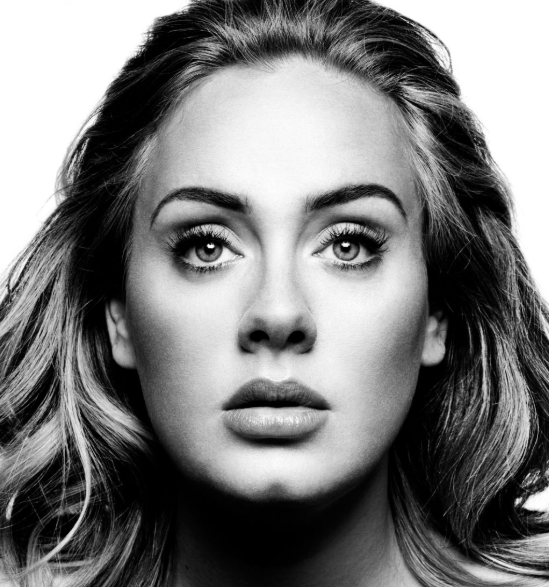
Platon is best known for his series of highly contrasted black and white portrait images. The main characteristics of Platon portraits are the tight frame around the model, the high general contrast, the shadows on the model’s cheeks, and the white background. Platon uses a medium format film camera with a 135mm lens. To recreate Platon’s style, the amount of studio equipment you need is fairly modest.
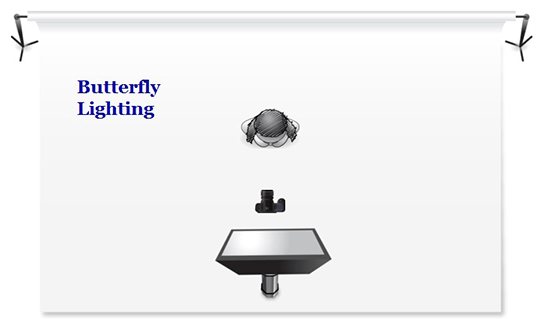
- Flash guns are necessary, you may also need one or two light stands to use your flash off camera. The positions of the lights used for a portrait are revealed by the shadows on the model’s face, referring to Platon’s work, that shadow is often directly under the model’s nose. This is the result of the butterfly light, where the main light is in front of the model and slightly above them.
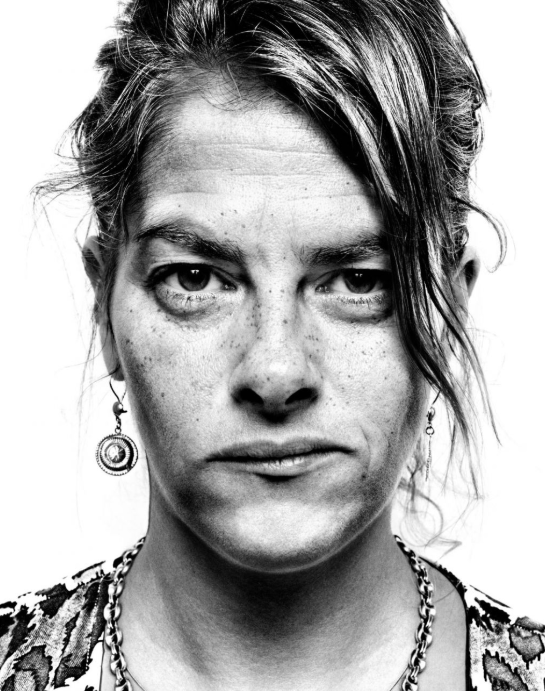
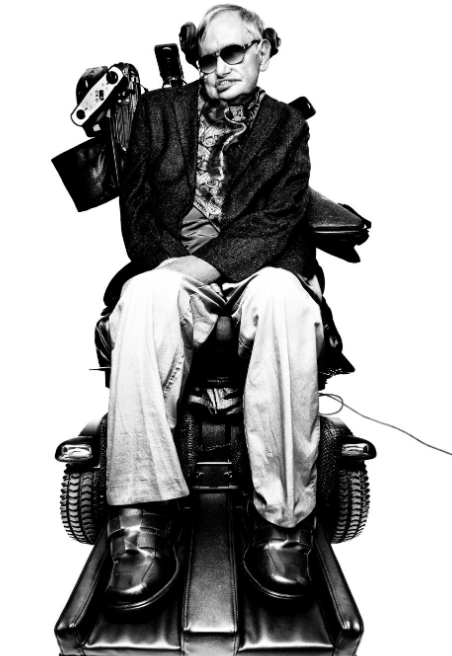
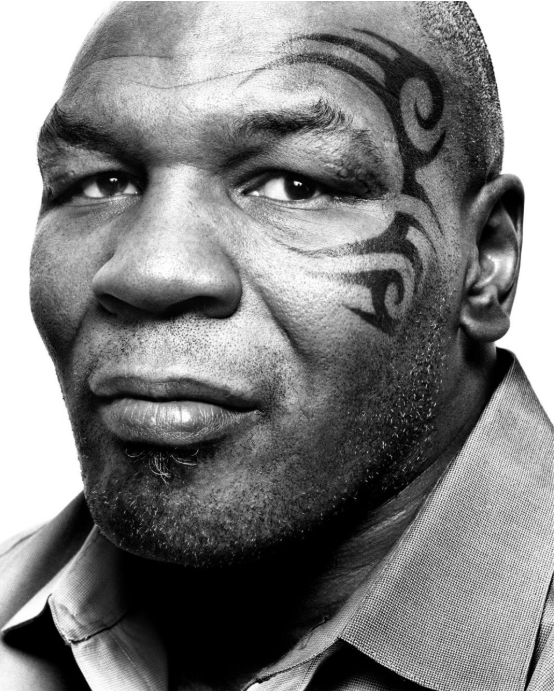
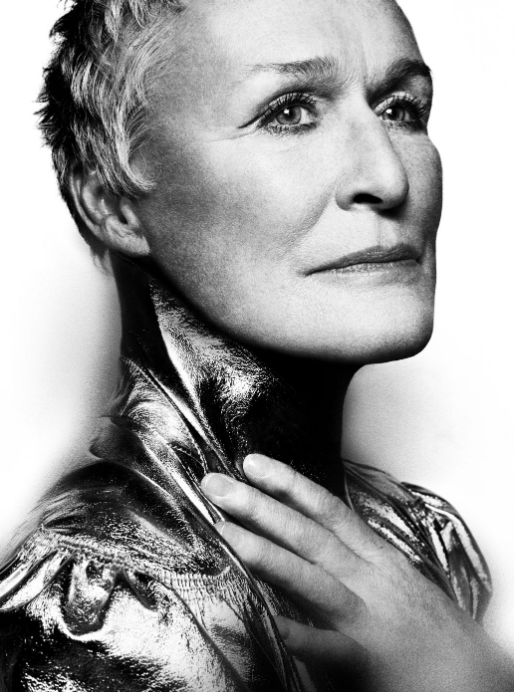
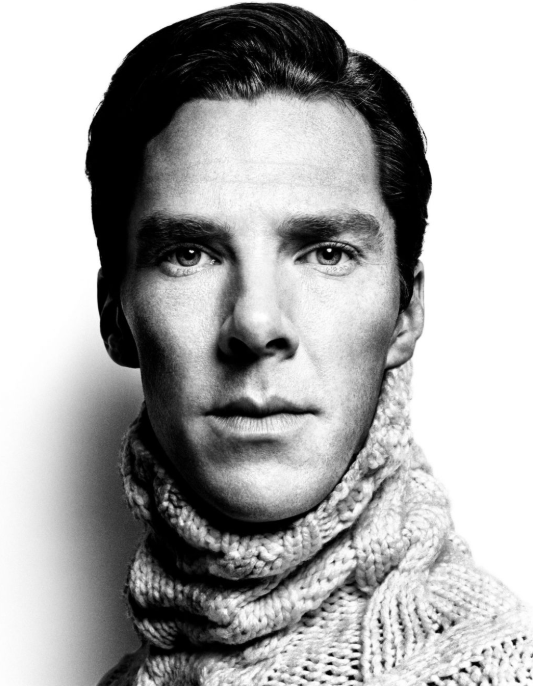
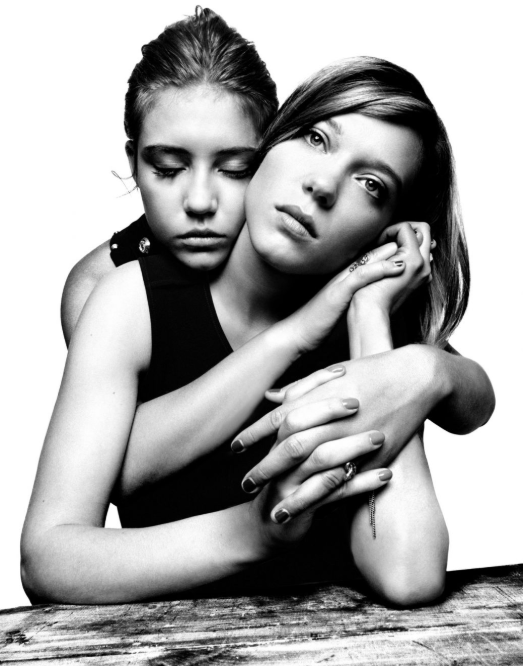
I believe that Platon’s work is unique, his style of portraits is frequent throughout every project he has completed. It is easy to identify his work. I am particularly drawn to the simplicity of his portraits but also the detail used, the white background behind the detailed faces is striking. I also like the common black and white theme that is used. Although the majority of Platon’s images are black and white they still express emotions and tell a story.
 Final Major Project