

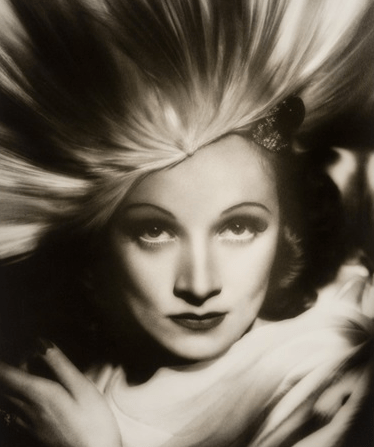
George Edward Hurrell was a photographer who contributed to the image of glamour presented by Hollywood during the 1930s and 1940s. Hurell was best known for his portraits of Hollywood movie stars such as Joan Crawford and Marlene Dietrich.
Born on June 1, 1904, in Kentucky, Hurrell developed an early interest in painting and photography, eventually studying at the Art Institute of Chicago. Hurrell initially used photography as a way of documenting his paintings, but soon began to use it as his preferred medium.
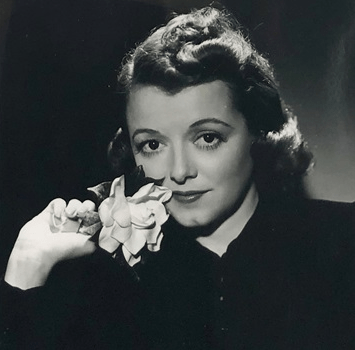

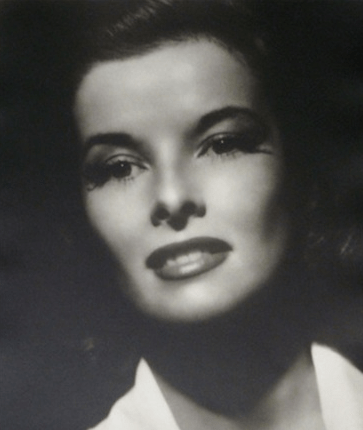
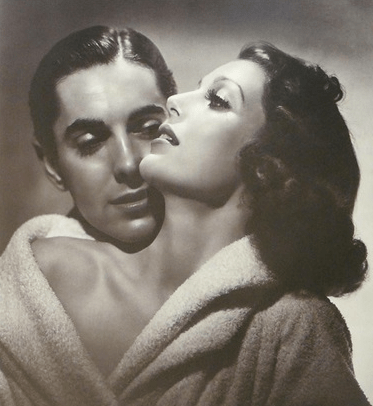
In 1930, he was hired as head of the Photography Department for MGM. While working at MGM, he was put in charge of taking portraits of the Hollywood stars. Throughout his career Hurrell photographed numerous celebrities for movie marketing purposes, advertisements, and fashion magazines.
The artist died on May 17, 1992 in Los Angeles, CA. Today, his works are held in the collections of the J. Paul Getty Museum in Los Angeles, The Museum of Modern Art in New York, and the Library of Congress in Washington, D.C., among others.
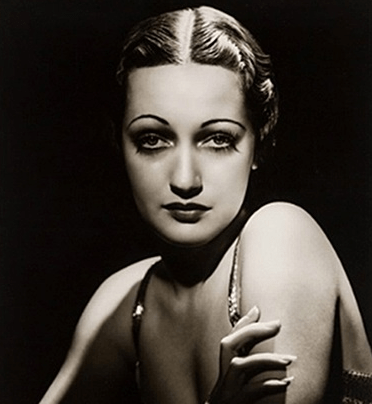
I have decided to look into the work of Hurrell because the techniques and style that he used could influence my work. As I am wanting to take images inspired by fashion photography of the past, looking at his work and understanding how they were created can guide me when I make my own. I particularly like the glamour of Hurrell’s work and the sense of sophistication that they display. Because I am interested in this style, I have researched how to achieve similar images.
Lighting:
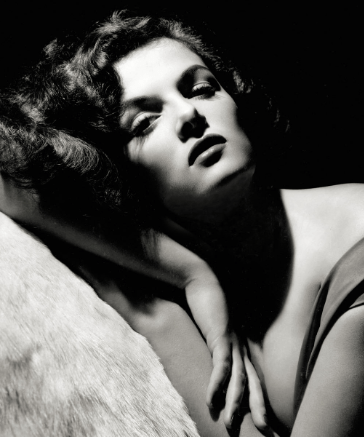
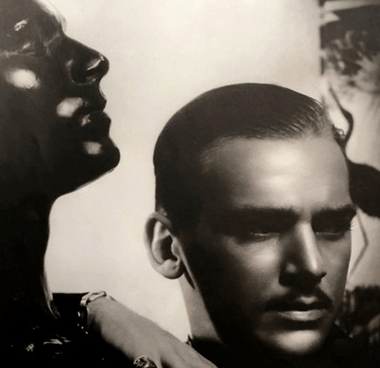
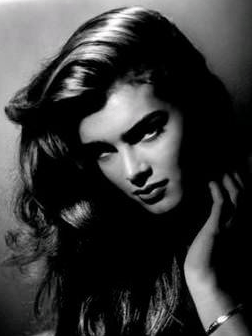
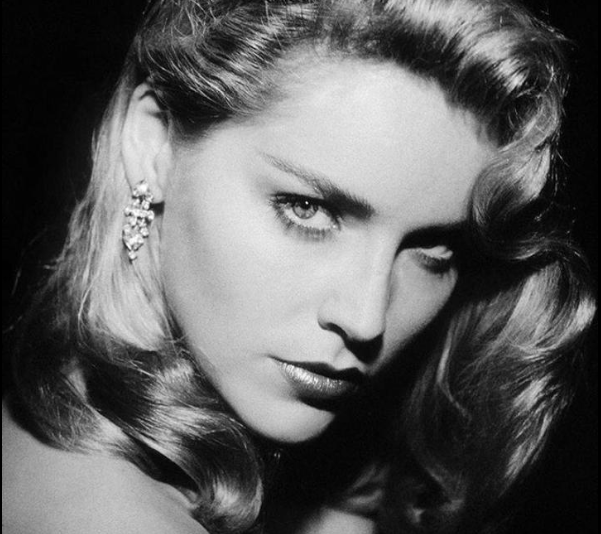
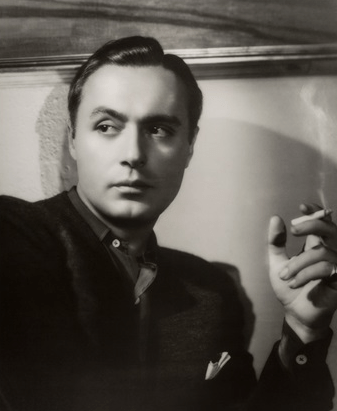
Hurrell’s signature use of lighting, spotlights, and shadows produced romantic portraits that became his trademark style and the definition of glamour for the movie industry. The portraits were typically black and white with high contrast. The hair and skin highlights were blown-out and the shallow depth of field created dreamy, out of focus backgrounds.
Key light:
Hollywood photographers used Fresnel lights used for stage lighting. The lights have a very distinct look and are focusable, giving the light a soft edge along with a soft shadow. The Fresnel lens produces a very even light. A large soft box will concentrate light and control light spill. Using a silver reflector will add some extra glow to your subject’s face.
Backdrop:
Elegantly draped cloth backdrops are easy to create. Taking into consideration the depth of field in these shots, the background will be out of focus anyway. Using a speed light directly on the backdrop will keep the background from falling completely into blackness.
Posing:
More often than not, the models did not make eye contact with the camera. They would place their hands strategically to frame the face, either to prop the head or add emotion.
Camera Angle:
The camera was usually positioned lower than the subject, creating more drama in the image.
Finishing touches:
Hollywood images were airbrushed extensively to give the allusion of flawless skin. This can be now done using photoshop.
 Final Major Project